What a commodity actually is
A commodity is a standardised raw material or primary good that can be bought and sold in large quantities across global markets. Standardisation is the key word. One barrel of West Texas Intermediate (WTI) crude oil is chemically indistinguishable from another barrel of the same grade, regardless of which oil field it came from or which company extracted it. That interchangeability is what makes large-scale commodity trading possible: buyers and sellers agree on a price for the grade and quantity, not for a specific batch from a specific supplier.
This is what separates commodities from equities. When you buy a share in a company, you are buying something unique: that company's management, its intellectual property, its specific competitive position. When you buy gold or wheat or natural gas, you are buying a quantity of something fungible. A troy ounce of gold is a troy ounce of gold. This standardisation allows prices to be set globally and efficiently, and it is why commodity prices are quoted live, around the clock, on markets from London to Chicago to Singapore.
The main categories
Commodities are broadly grouped into three categories: precious metals, energy, and agricultural products. Each category has its own set of price drivers and its own role in a trading portfolio.
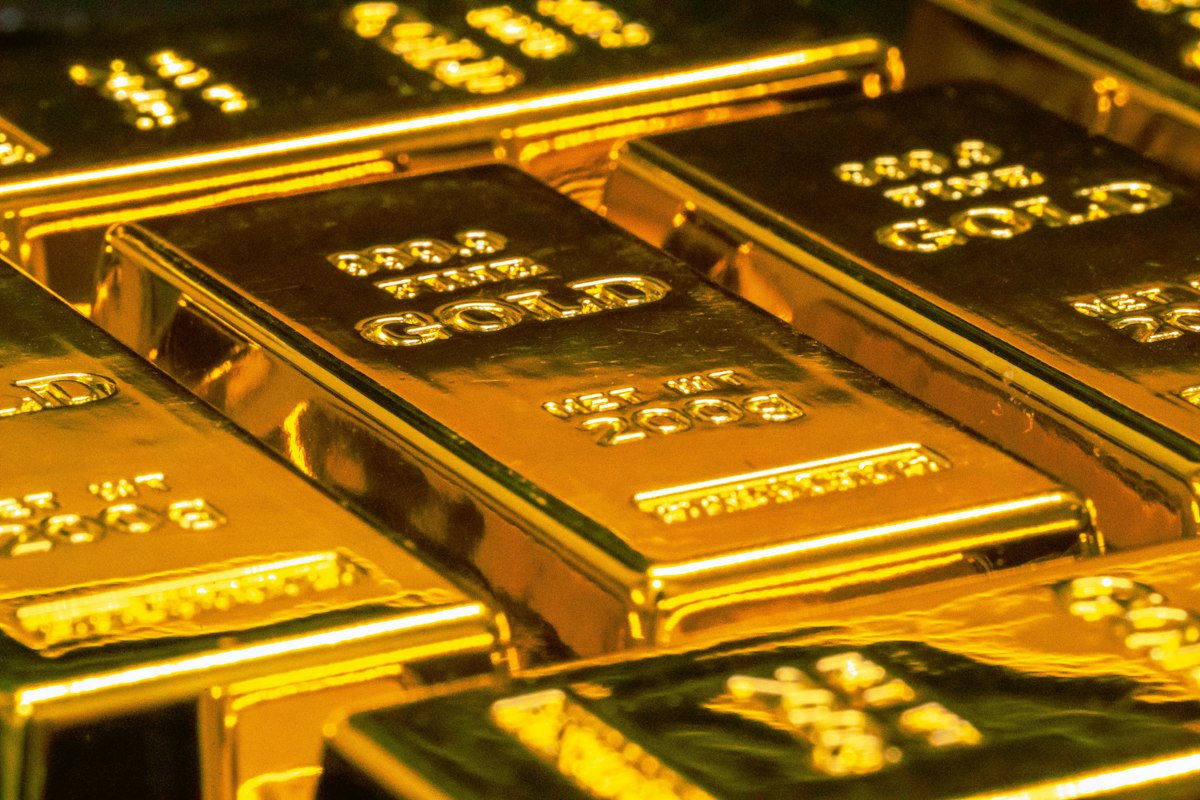
Precious metals include gold, silver, and platinum. Gold is the most traded precious metal and the one most retail traders encounter first. It functions simultaneously as an industrial input, a store of value, and a safe-haven asset, meaning investors tend to buy it when confidence in other assets falls. Silver has more industrial applications than gold and its price tends to be more volatile as a result. Platinum is closely tied to automotive manufacturing, particularly catalytic converters, which links its demand cycle tightly to the car industry.
Energy commodities include WTI crude oil, Brent crude oil, and natural gas. WTI and Brent are both grades of crude oil, with Brent sourced primarily from the North Sea and serving as the international pricing benchmark most commonly quoted in UK financial media. Energy prices are heavily influenced by decisions made by OPEC (the Organisation of the Petroleum Exporting Countries) and its allies, alongside broader global demand cycles. Natural gas has its own distinct supply dynamics and seasonal demand patterns, particularly in Europe, where it plays a central role in heating.
Agricultural commodities include wheat, corn, coffee, cotton, and sugar. These markets are shaped by weather events, planting and harvest cycles, and long-run changes in global demand. A drought in a major wheat-producing region can push global wheat prices sharply higher within days. A bumper harvest can have the opposite effect. These markets tend to attract specialist traders, but they are accessible on most CFD and spread betting platforms.
How retail traders actually access commodities
The traditional instrument for commodity trading is the futures contract. A futures contract is a legally binding agreement to buy or sell a set quantity of a commodity at a specified price on a specified date in the future. Futures are used by producers and consumers of commodities to manage price risk, and by institutional traders who speculate on price direction. They require significant capital, carry delivery obligations, and are not designed for retail participation.
Retail traders access commodity markets primarily through Contracts for Difference (CFDs) and spread betting. Both instruments track the price of the underlying commodity, which is itself typically derived from the relevant futures contract. Crucially, neither involves physical delivery. You open a position expressing a view on whether the price will go up or down, and you close it when you choose. Your profit or loss is determined by the price difference between opening and closing, multiplied by your position size. There is no barrel of oil changing hands, no vault of gold to arrange.
A third option is the physically-backed Exchange Traded Fund (ETF). A gold ETF, for example, holds physical gold in a vault and issues shares that track the gold price. ETFs give commodity exposure without leverage and without the rolling costs associated with futures-linked products. They sit between direct ownership and speculative trading: you are not speculating with leverage, but you are not taking delivery of the metal either.
What drives commodity prices
Commodity prices are driven by supply and demand at the most fundamental level. When supply falls or demand rises, prices go up. When supply increases or demand weakens, prices fall. That sounds simple, but the inputs that determine supply and demand are numerous, interconnected, and sometimes unpredictable.
Geopolitical risk deserves particular attention. When tensions rise in a major oil-producing region, markets price in the possibility of supply disruption before any disruption actually occurs. The same mechanism applies to precious metals: in periods of geopolitical uncertainty, demand for gold as a store of value tends to rise even if the uncertainty never materialises into an actual economic shock. This forward-looking nature of commodity markets means prices can move sharply on news rather than on confirmed supply or demand changes.
Currency movements add a further layer. Because most major commodities are priced in US dollars, the value of the dollar itself affects commodity prices. A stronger dollar makes commodities more expensive for buyers holding other currencies, which tends to suppress demand and push prices lower. A weaker dollar has the opposite effect.
Gold as the starting example
Gold is the commodity most new traders encounter first, and it is a useful one to understand in some depth before moving to others. It trades around the clock across global markets, with high liquidity and tight spreads on most retail platforms. Its price drivers are well-documented and relatively straightforward to follow in the financial news.
"Gold tends to strengthen when the dollar weakens, when inflation expectations rise, and when geopolitical uncertainty increases. For UK traders, sterling movements add a further layer to the equation."
The relationship between gold and the US dollar is one of the most consistent in commodity markets. When the dollar weakens, gold priced in dollars becomes cheaper for international buyers, which tends to increase demand and push the gold price up. The relationship is not mechanical: other factors can override it. But it is a reliable starting point for understanding why gold moves on a given day.
For UK traders specifically, there is an additional dimension. Gold is priced in US dollars globally. When you hold a gold position through a UK-based spread betting or CFD account, your profit or loss is typically converted back into sterling. That means a move in the GBP/USD exchange rate can affect the sterling value of your position even if the gold price in dollars has not changed. A strengthening pound reduces the sterling value of a dollar-denominated gain; a weakening pound amplifies it. This is worth understanding before putting on a gold position.
Inflation expectations also play a significant role. Gold is historically viewed as a store of value that holds purchasing power over time. When investors expect inflation to rise, the real return on bonds and cash falls, and gold becomes comparatively more attractive. Periods of high inflation have historically been associated with strong gold demand, though the relationship is not consistent enough to use as a simple trading rule.
For a more detailed look at how gold behaves as a safe-haven asset in specific market conditions, see our gold safe-haven analysis for UK traders.
Risks specific to commodities
Commodity prices can move sharply and quickly, particularly around supply-side events. An unexpected OPEC announcement, a major weather event in an agricultural region, or a sudden escalation in geopolitical tension can all produce price moves that exceed what you might see on a normal day in equity markets. Position sizing and stop losses are not optional when trading commodities: they are the basic tools for controlling the risk that comes with this level of volatility.
Traders holding commodity positions over longer periods face an additional consideration: contango. This is a condition that exists in futures markets when the forward price of a commodity is higher than the current spot price. CFDs and some ETFs linked to commodity futures roll from one futures contract to the next as the near-term contract approaches expiry. In contango, each roll effectively moves the position from a cheaper near-term contract to a more expensive forward one. Over time, this creates a drag on the position even if the spot price is unchanged. Contango is most relevant to traders holding positions for weeks or months, and to those using ETFs that track rolling futures rather than the spot price. It is one of the structural costs of commodity exposure that shorter-term traders generally do not encounter but longer-term holders should understand before committing capital.
// KEY TAKEAWAYS
- Commodities divide into three main categories: precious metals (gold, silver), energy (oil, natural gas), and agricultural products (wheat, coffee, cotton).
- Retail traders access commodity markets through CFDs or spread betting — physical delivery is neither required nor practical for speculative purposes.
- Most commodities are priced in US dollars globally, which means currency movements affect returns for UK traders.
- Supply and demand, geopolitical events, and currency strength are the primary drivers of commodity prices.
- Gold is often treated as a safe-haven asset and tends to strengthen during periods of economic uncertainty or dollar weakness.
Frequently Asked Questions
// RELATED GUIDES